The European Parliament adopted a non-legislative report on digital assets, with 390 votes in favor, 86 against, and 134 abstentions, supporting a framework described as “innovation-friendly, well-monitorised” as the full enforcement of the Markets in Crypto Assets Regulation (MiCAR) comes into effect. Johan Van Overtveldt, the Parliament’s rapporteur, stated, “Europe must embrace the opportunities offered by digital assets, while keeping risks firmly under control.” The report acknowledges the EU’s first-mover advantage with MiCAR and legislation focused on distributed ledger technology (DLT), but it also includes warnings about existing structural dependencies not directly addressed by current regulations.
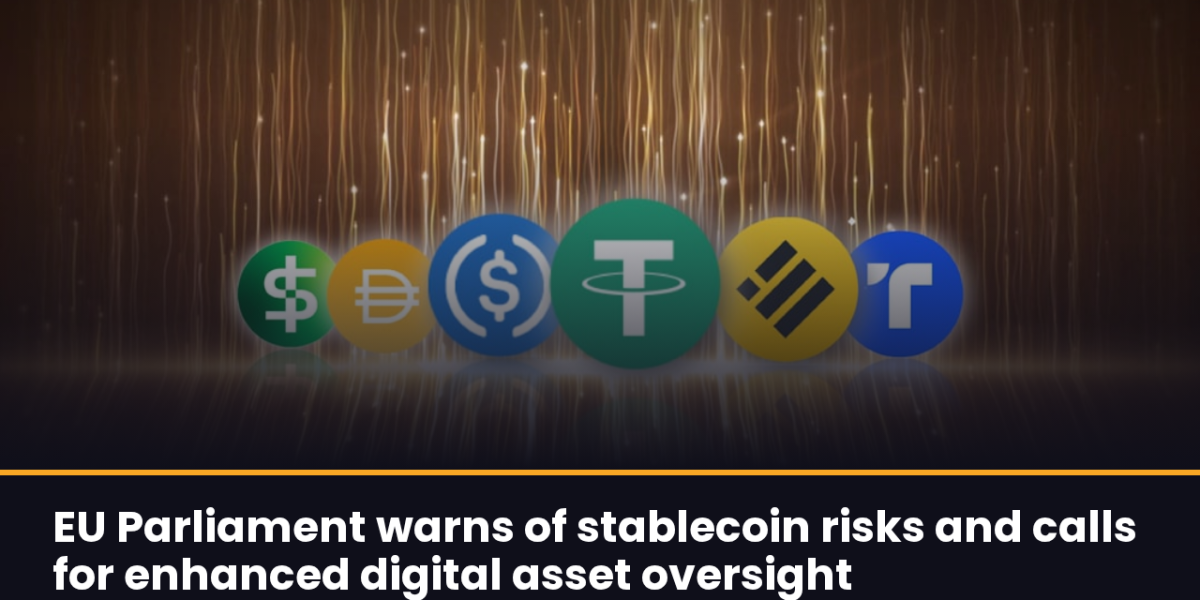
A key focus of the report is the dominance of US dollar stablecoins. Members of the European Parliament (MEPs) warn that the rapid growth of USD-pegged tokens “could weaken Europe’s control over its own currency, undermine financial stability, make central bank policies less effective, and leave the EU dependent on foreign payment systems.” The report encourages the growth of euro-denominated e-money tokens as a counterbalance, advocating for harmonized liquidity and crisis-management rules to promote their development.
The report identifies a significant gap in the current regulatory framework, noting a lack of legal clarity regarding whether stablecoins can be jointly issued by EU and non-EU entities as fully interchangeable tokens. The European Systemic Risk Board has cautioned that multi-issuance structures may spread financial contagion across borders.
MEPs expressed concern over the EU’s reliance on non-EU DLT infrastructure providers, emphasizing that investment and technological development should occur within the bloc. This comment likely refers to the concentration of blockchain infrastructure, including node operators and custody solutions, outside European jurisdiction.
Regarding enforcement, the Parliament called for stronger supervisory tools to prevent the use of crypto-assets for evading anti-money laundering and counter-terrorism financing rules and sanctions. MEPs also requested improved data on debt levels in crypto markets and close monitoring of the US administration’s approach to digital assets.
The report supports ongoing efforts for both retail and wholesale digital euro initiatives, including the European Central Bank’s Pontes and Appia DLT settlement projects. It urges the European Commission to ensure that future digital euro solutions are compatible with DLT infrastructure. While the report does not automatically trigger new legislation, it indicates the Parliament’s direction and may pressure the Commission to expand MiCA’s scope through delegated acts or future proposals.